Englishness: The Political Force Transforming Britain, Ailsa Henderson and Richard Wyn Jones:
Announcements about policy innovations from Westminster frequently do not make clear whether the policy applies to the whole of the UK or to Britain or England and Wales or just to England….[.]…The lack of clarity has prompted two recent Twitter campaigns: Wales-based #thatsdevolved and from England #sayEngland.
Politicians frequently make announcements about England-only policy without specifying that it is about England. Sometimes they will speak of Britain, often with Union Flags behind them or a British slogan like ‘Rebuilding Britain’, even though the policy or funding announcement only applies to England.
And the Government departments they’re in charge of do the same.

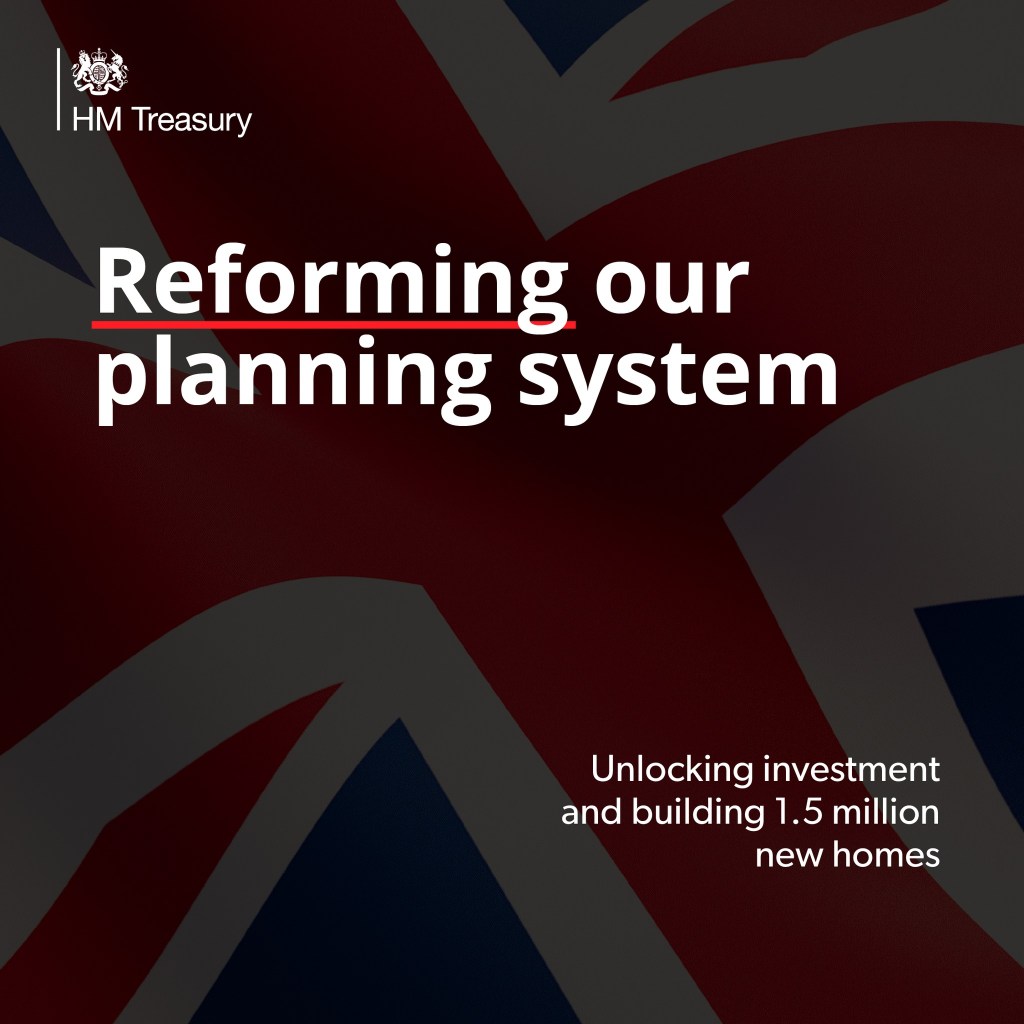
The vision is British, not English; the nation being addressed is Britain, not England; the imagined nation is Britain, not England. The message is clear: Britain/UK is the legitimate political community to which we speak, England is not. In this way, England is negated – a nation unimagined – replaced by a ‘Britain’ to which the policy under discussion doesn’t even apply.
On other occasions, they will not attempt to replace England with Britain but will instead use phrases like ‘the country’ or ‘our country’ instead of England, or ‘our NHS’ and ‘our schools’ instead of ‘England’s NHS’ and ‘England’s schools’.
The aim is twofold.
- To promote a unitary sense of Britishness by not reducing the focus to England.
- To deny a political sense of English nationhood.
But it gets more complicated than that. Sometimes ‘the country’ can mean more than one country. Due to the asymmetry of devolution in the UK, it is often difficult for the general public to know what Westminster politicians mean when they say ‘across the country’. If they’re talking about schools or hospitals, ‘across the country’ means England; if they’re talking about prisons, it means England & Wales; if they’re talking about the National Trust, it means England, Wales and Northern Ireland; for the Carer’s Leave Bill it means Great Britain, and; for Stamp Duty Land Tax it means England & Northern Ireland.
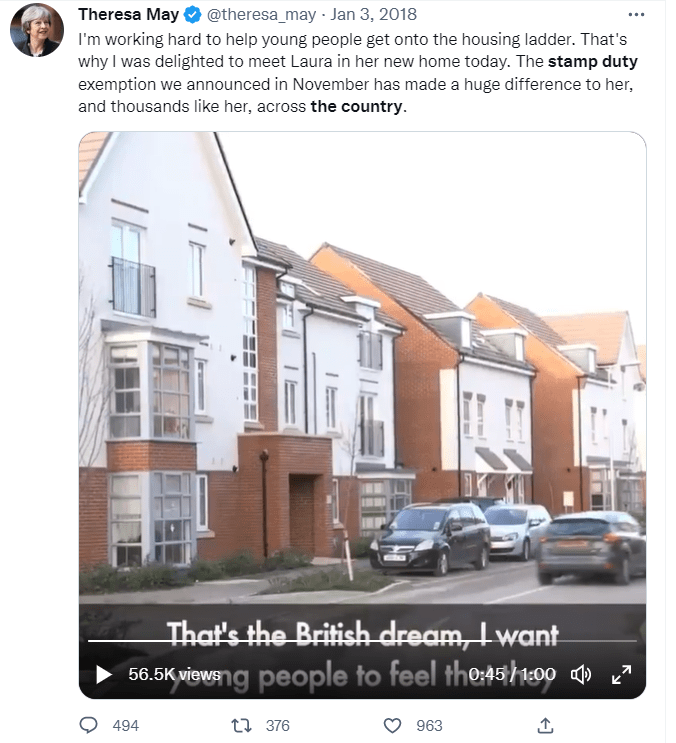
In failing to locate policy territorially, politicians are guilty of poor communication (see ‘MPs call for more clarity on England-only measures‘). For example, Boris Johnson (as UK PM) informs us that his ‘National Bus Strategy’ is for ‘the whole country’.
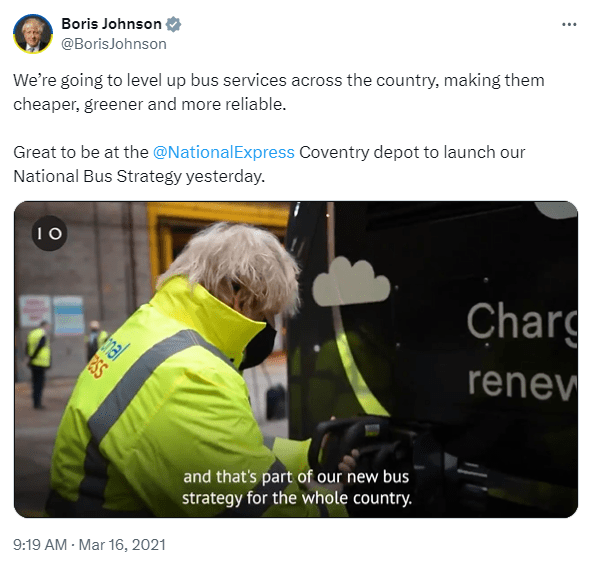
Anyone not familiar with the intricacies of devolution would not know whether the £3bn investment and 4,000 new buses was for England, England & Wales or the whole UK.
In addition to omitting the word ‘England’ as a descriptor from titles of initiatives like the ‘National Bus Strategy’, sometimes the word England will be dropped from the name of organisations or initiatives that actually contain the word England. At the 2024 Labour Conference, Lisa Nandy, the Secretary of State for Culture, Media and Sport (a substantially devolved portfolio), managed to give a speech to conference without even mentioning England. She dropped the word ‘England’ from the title of Arts Council England. She also neglected to mention that the Football Governance Bill is for England, that Labour’s policy on youth hubs is a policy for England, or that it is England’s national curriculum she was referring to. She did not want to talk about England, she wanted to talk about Britain. Her speech contained 15 mentions of the/our country, 3 mentions of Britain and no mention of England, despite it being largely applicable to England. It is almost impossible to imagine a culture minister for Scotland or Wales (or any other nation, for that matter) failing to mention their nation’s name.
It’s unfair to single out Lisa Nandy because this practice is widespread and committed by both sides of the House. The Secretary of State for Housing, Communities and Local Government can mention Britain and the UK but fail to mention England in a speech about English housing and local government in England. The Secretary of State for Health has been known to do the same. That England is a polity is an inconvenient fact that they prefer not to mention.
One final example. On X Labour pledged to build 1.5M new homes ‘across Britain’. This is disinformation (the BBC points out it is a figure for England). House building and planning are devolved, so are not the responsibility of UK Labour in Scotland, Wales & Northern Ireland. The New Homes Accelerator programme and National Planning Policy Framework are England-only.

English Commonwealth believes that the English nation deserves clarity. The ideal way to achieve this would be through having English political parties with manifestos for England, standing for election to an English parliament. However, until such time that England can call itself a democracy, UK politicians must ensure that when they’re talking about England they use the word England. They should not elide England and Britain, either through the replacement of ‘England’ with ‘Britain’ or using nebulous terms like ‘the country’. Similarly, if an announcement applies to England & Wales, or England, Wales & Northern Ireland, then they should say so.
We believe that the English people deserve to hear politicians talk about their nation and outline their policy and vision for England. And we believe that the people of the whole UK deserve territorial clarity from our politicians. Please join us and others on social media in asking politicians to #SayEngland when they’re discussing England.
The political elite might be ashamed to be English but most of us aren’t and we want to hear politicians mention our nation.
 English Commonwealth